3313 West Commercial Blvd, Tamarac, FL 33309


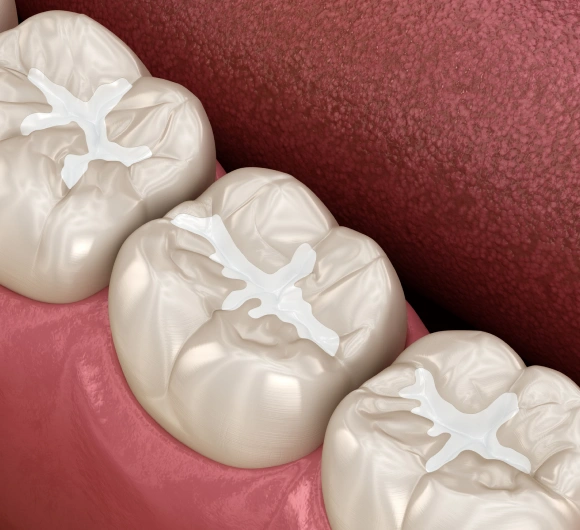
A Simple Shield Against Cavities
Dental sealants are a thin, protective coating applied to the chewing surfaces of your back teeth, where cavities are most likely to form. These surfaces contain deep grooves and pits that are difficult to clean thoroughly with a toothbrush, making them a common target for decay, especially in children and teens.
At Goodshine Dental, sealants are a quick, painless, and highly effective way to add an extra layer of protection to teeth that are most at risk. The procedure takes just minutes per tooth and can significantly reduce the chances of developing a cavity in that area for years to come.
Schedule a Sealant Consultation
Why Dental Sealants Are Worth It
- Cavity prevention. Sealants create a barrier that keeps food particles and bacteria out of the deep grooves of molars and premolars.
- Quick and painless. The application process takes just a few minutes per tooth with no drilling or numbing required.
- Long-lasting protection. With proper care, sealants can protect teeth for several years before needing reapplication.
- Cost-effective prevention. Sealants are far less expensive than treating a cavity that could have been prevented.
- Great for kids and adults. While often associated with children, sealants can benefit any patient with deep grooves in their molars.
Who Benefits Most From Sealants?
Dental sealants are commonly recommended for:
- Children and teens, as soon as permanent molars come in, usually around ages 6 and 12
- Adults without a history of fillings or decay in their back teeth
- Patients with deep grooves or pits in their molars that are hard to clean
- Anyone with a history of cavities who wants extra preventive protection
- Patients looking for a low-cost way to reduce future dental treatment needs
During a routine exam, we can assess whether your or your child's teeth would benefit from sealants based on their shape and cavity risk.
How Dental Sealants Are Applied
Getting sealants is one of the fastest and most comfortable treatments we offer.

How Long Sealants Really Last
One of the most common questions patients ask is how long sealants will actually protect their teeth. With proper care, sealants can last anywhere from five to ten years, though this varies based on chewing habits, diet, and oral hygiene. Sealants are checked at routine cleaning and exam visits to make sure they are still intact, since normal wear over time can cause them to chip or wear down in small areas.
If a sealant does wear away or become damaged, it can typically be reapplied quickly and affordably, making sealants a long-term, low-maintenance investment in cavity prevention rather than a one-time treatment.
Give Your Smile Extra Protection
Whether it is for your child's new molars or your own cavity-prone teeth, dental sealants are a simple way to add lasting protection against decay. Our team at Goodshine Dental can help you decide if sealants are right for you or your family.
Book a Sealant Appointment